




It’s November, 2030, New York Penn Station. You and your college buddies are about to go out on an expedition of a lifetime: a two week ski trip to Colorado. You and your friends chose the train because fuel prices are astronomical and the overall economy is so bad that air travel has become impractical. You all heard the horror stories about nightmarish bus trips so you decide to skip it. The train is the best way to go.

About a year ago the railroad got all new equipment and passed all the tests. Amtrak even introduced the Midcontinental Limited with stops in Albany, Buffalo, Cleveland, a two hour layover in Chicago, and calling west to Oakland via Denver and the Colorado Rockies – where you’re going. No transfer. No mess.
That is what could be if Amtrak plays their cards right. Atlantic/Pacific service on one train via the Great Lakes, no transfers. Just a crew swap. By pivoting to single level equipment, Amtrak is positioning itself to becoming the great national railroad it wasn’t meant to be.
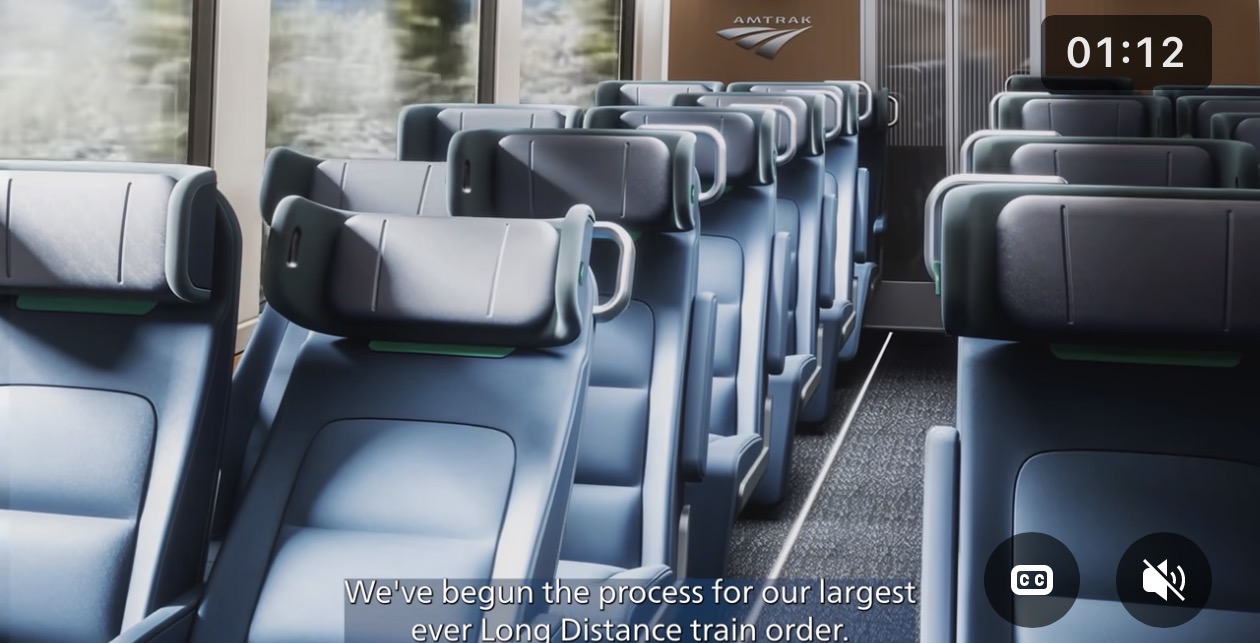
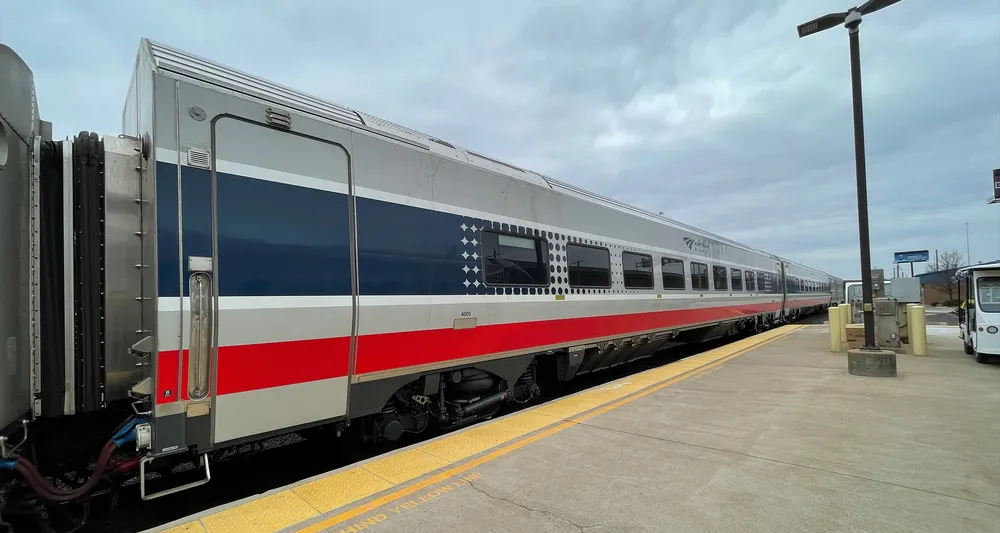
In April of 2026, Amtrak released their official renderings for a brand new replacement of their long distance fleet. Currently consisting of Amfleet II coaches and cafes, Superliner II coaches, cafes, sleepers and diners, and Viewliner II baggage, dorm, sleepers and diners, the majority of these cars are reaching or have reached the over-40 year service lifetime. These rail cars have been in Amtrak service far longer than the original inherited equipment at Amtrak’s founding back in 1971. This isn’t exactly good that these cars have been in service for as long as they have, but it hasn’t exactly been a disaster, either.
On the contrary, it’s been an unmitigated success; the greatest in American railroading history!
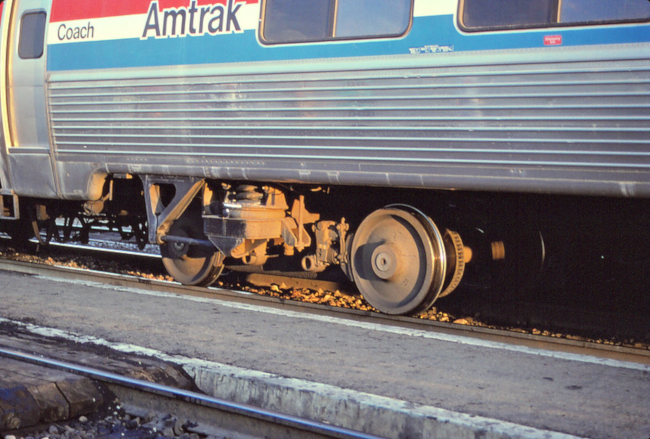
In 2024 and 2025, Amtrak pulled the Horizon fleet out of service. These Bombardier built cars, spawns of the commuter Comet and Shoreliner cars used on services like New Jersey Transit, began to disintegrate mid service. To keep service alive, Amtrak brought out Amfleet I cars to the west coast and Midwest corridors, as to stave off delays. Not only did the Amfleet save service, they may have turned Amtrak some profit as the Amfleets, while older than the Horizons, can run on faster trains and ride better at higher speeds than the Horizon.
Amfleet has withstood the test of time. While the opinions of this site are well known, the opportunities that are opening to Amtrak with this new fleet rollout are going to be monstrous.
The question becomes, will Amtrak take advantage of it?
Amtrak will be putting itself into the chance of a lifetime. East and west service on a single train within reach for the common traveler. This could also open a unique opportunity, the first in Amtrak’s storied history: multiple daily long distance departures!
When infrastructure overhauls are finished, Amtrak will be ready to do just that. Imagine up to six departures daily between New York Penn Station and Chicago with three of those trains continuing to LA, Oakland, Seattle/Portland! These trains would not replace current ones but supplement them. This could also mean Amtrak can split them up three ways from New York.
The Lake Shore Limited, NY-ALB-BUF-CLE-CHI
The Cardinal NY-PHL-WAS-CIN-IND-CHI
The Pennsylvanian NY-PHL-HAR-PIT-CLE-CHI
It’s in this that the single level standardized fleet can shine. A one train solution that could literally change the face of long distance rail travel forever!
This isn’t without its challenges, however. The question of freight company cooperation comes into play. They may not be too happy with increased Amtrak traffic on their lines. As it is, these companies try to schedule their own traffic around Amtrak and since it’s largely twice a day (once in each direction) on most lines, it’s no big deal. Introduce an additional SIX TRIPS and the freight railroads might not be so accommodating, with Upstate New York and the Empire Service being the exception.
This is where splitting up runs could actually take the load off of freight companies. A LA bound train departs New York via Chicago on the Pennsylvanian Line, joins the Lake Shore Line in Cleveland, then heads to LA via the Missouri River Runner which covers St Louis and Kansas City, rejoining the Southwest Chief at KCY. Another from NYP takes the entire Lake Shore line to Chicago then supplements the California Zephyr via Omaha and Denver to Emeryville.
Amtrak could also take advantage of its most scenic routes from coast to coast by supplementing the Cardinal and Empire Builder services. The trip to Chicago takes 21 hours as opposed to 18 on both Lake Shore and Pennsylvanian with extensions, but with only about a two hour stop in Chicago rather than a whole day or worse if the trains are late, the same train continues to Seattle and/or Portland.
Delays due to unforeseeable circumstances could also back up multiple entire trips instead of one or two. However, for example, the addition of a westbound departure from Omaha could help alleviate a late or cancelled train. Passengers wouldn’t feel like they absolutely had to take a bus when another Amtrak service is coming up sooner and going where they’re going. This would be a great benefit to passengers who need flexibility for whatever reason.
Perhaps in the future Amtrak could take advantage of new routes and alleviate pressure from freight railroads. That is actually more difficult to negotiate than adding additional trains to the schedule. Freight companies can compensate by yet again increasing train lengths but this time Amtrak would need to be at the negotiating table and both railroads would have to go into any agreement of the type with both benefits and obstacles in mind.
The long term benefits of a standardized fleet would be enormous! What is preventing this from happening now is a plethora of issues that presents an impossibility to undertake. Amtrak would have to negotiate, now, with the freight companies. On top of that, while extremely reliable, the current equipment simply can’t take the abuse of constant service, coast to coast. There isn’t any other infrastructure in place for any of it. That’s all something Amtrak, if they want it, to reach for and develop.
The demand is there. The ridership exists. It’s just a question of whether or not Amtrak is willing to give it a try.
Recent Comments